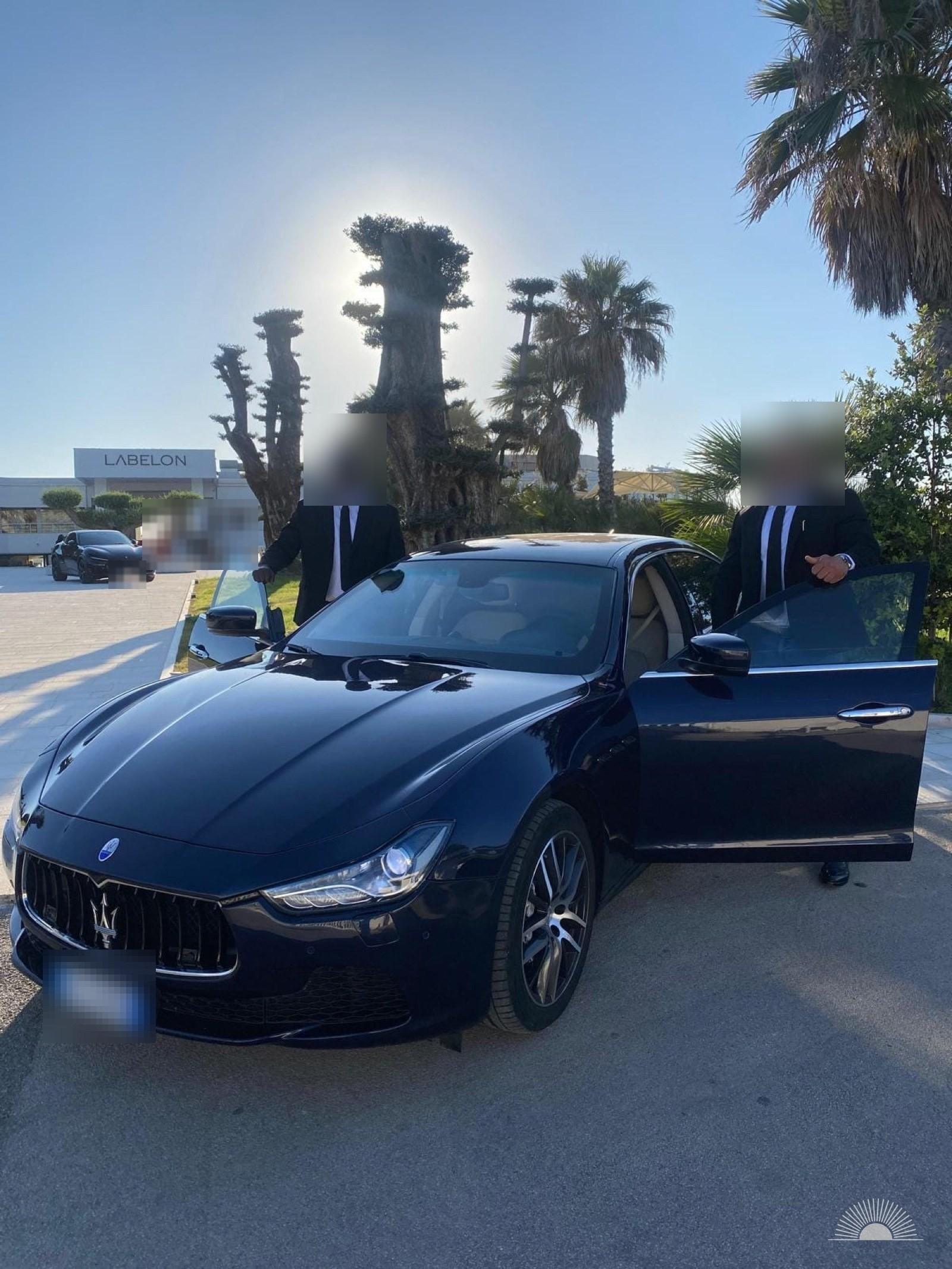
Close Protection and Formal Protocol | When the Principal Represents an Institution
In this article
- Protocol hierarchy and household liaison
- Residential security: historic estates, private residences, and hotel suites
- Public exposure: official engagements and ceremonial events
- Confidentiality and the institutional interest
Close protection for principals of institutional standing operates at the intersection of physical security, protocol, and household tradition. The principal is not merely an individual: they may represent a family house, an institution, or a public function. A misstep in protocol by the security team is not simply a lapse in etiquette: it can become a reputational event for the household.
This note summarises the principles that govern these mandates. Each protection assignment is studied case by case and entrusted to a member of the Federation.
Protocol hierarchy and household liaison
Protective operations for such principals require a formal liaison structure that most civilian close protection does not. The team leader must be able to communicate directly and professionally with the principal's private secretary and household office. The ability to operate fluidly within these structures is a prerequisite, not an enhancement.
Before any deployment, written protocol agreements should cover: precedence of access at the protected party's residence, communication channels with the household, dress code requirements for specific engagements, the management of household staff and domestic access, and the handling of any press or public access scenarios. These agreements are approved at principal's representative level before the team lands.
Residential security: historic estates, private residences, and hotel suites
The residential dimension of these mandates differs from standard UHNW residential security in several important respects. The principal's residence, whether a historic estate, a private residence, or a suite in a five-star property, is also a working environment, a reception space, and often a heritage site. Access control must be enforced without creating a visible security apparatus that conflicts with the institutional character of the property. The right residential posture is one of integrated, invisible coverage: fixed posts that read as household staff to the casual observer, electronic monitoring that does not require a visible control room, and access management that follows the household's existing vetting procedures.
Public exposure: official engagements and ceremonial events
Official engagements and ceremonial events represent the highest exposure moments in such a calendar. The principal is required to move slowly, interact with crowds, and remain visible: all of which are operationally contrary to the close protection principle of speed and controlled access. Managing this tension is the defining skill of the protection detail. The work involves crowd assessment, route preparation within the constraints imposed by the ceremonial programme, and the management of close-contact interactions (handshakes, presentations, line-ups) without disrupting the principal's public-facing conduct.
Confidentiality and the institutional interest
These mandates carry confidentiality obligations that extend beyond the standard non-disclosure agreements governing civilian close protection. The movements, health, security posture, and personal circumstances of such a principal are matters of institutional interest. Strict information compartmentalisation is therefore essential: team members are briefed only on what is operationally necessary, planning documentation is handled on isolated systems, and records are kept in encrypted form with restricted access.
Discuss this with a coordinator
If a specific situation in this article is relevant to a current or upcoming requirement, a coordinator will reply promptly, in confidence and without obligation.