Close Protection at Major Sports Events | F1, Champions League, The Open and the UHNW Experience
In this article
- Formula One: the most complex UHNW sports security environment
- Advance work at a sports venue
- Crowd management and social fluency
- Post-event: the highest exposure window
Major sports events present a distinctive close protection environment: the principal is in a public setting, typically surrounded by other UHNW individuals, with a social function that requires full engagement rather than defensive posture. The principal is attending to enjoy the event, to be seen, and in many cases to conduct the informal commercial and social relationships that are a central purpose of UHNW attendance at the F1 paddock, the Wimbledon Royal Box, or a Champions League corporate hospitality suite. The security operation must be entirely invisible to the social environment while remaining operationally effective.
Formula One: the most complex UHNW sports security environment
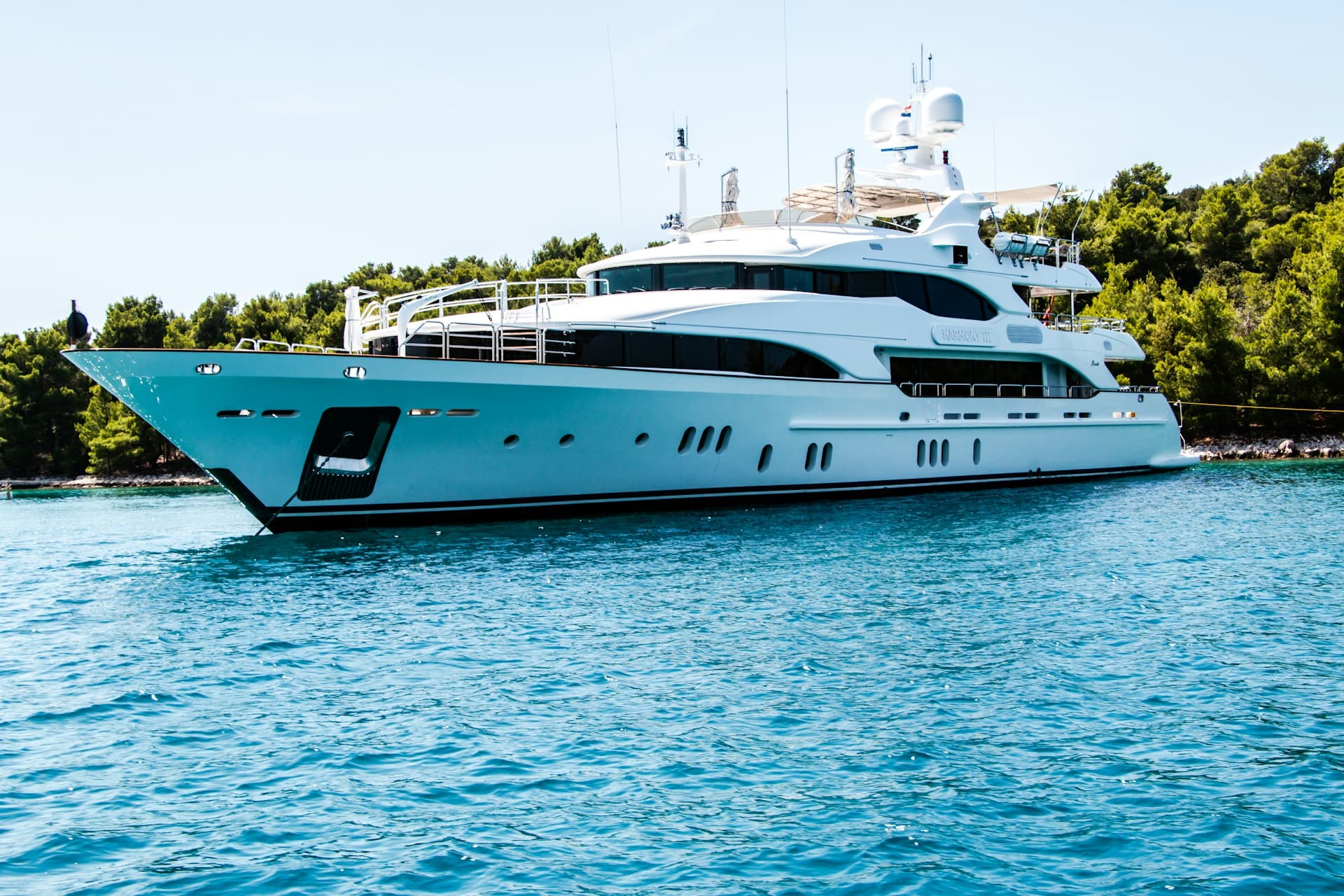
Formula One represents the most complex major sports security environment FFGR manages. The F1 paddock concentrates an extraordinary density of UHNW individuals, team principals, sponsors, technology executives, royalty, celebrity, with the Paddock Club directly adjacent to operational areas, a media presence that is pervasive and experienced at penetrating access controls, and a social circuit that extends from the paddock through the circuit hospitality areas to the post-race parties and yacht mooring areas in circuits like Singapore.
Advance work at a sports venue
The advance work for a major sports event follows the same methodology as any advance work but with sport-specific elements. The advance team conducts physical reconnaissance of the principal's hospitality suite or seating area, including: entry and exit routes (both standard and emergency), nearby toilet and circulation areas (the moments of social transition are higher-risk than static periods), the location and capacity of security staff deployed by the event, vehicle access and egress routes from the hospitality area, and the nearest medical facility and emergency services access point. For multi-day events such as Wimbledon or The Open, the advance also covers accommodation, transfer routes between accommodation and the venue, and the restaurants and private events that form part of the social programme.
Crowd management and social fluency
Managing a principal's movement through a crowded sports event requires officers with the social intelligence to blend into a hospitality environment. FFGR deploys officers who are dressed for the social register of the event: appropriate for a Champions League corporate box or the Royal Enclosure at Ascot, and who can manage the principal's movement through a crowd using soft guidance rather than visible protective posture. The challenge at major sports events is not typically hard security threat management; it is managing the ambient crowd pressure, the approaching approach of enthusiastic fans or acquaintances, the social engineering approaches that occur in these environments (approaches by journalists operating without credentials, individuals seeking commercial introductions, and the occasional stalker or fixated individual who has positioned themselves around the UHNW circuit), and the physical management of rapid crowd surges during goal celebrations, trophy presentations, or emergency evacuations.
Post-event: the highest exposure window
Post-event departure is consistently the highest exposure window at major sports events. The combination of a dispersing crowd, excited atmosphere, media presence concentrated at exit points, and the predictable movement of UHNW individuals from hospitality areas to their vehicles creates a security environment that rewards the teams who have pre-planned departure routes over those who improvise. FFGR's standard protocol for major sports event departure includes: a staged exit before the primary crowd movement begins (when the principal's social obligations permit), pre-positioned vehicles in confirmed and reserved positions, a clear communication protocol between the team lead and the vehicle operator, and an alternative vehicle in case the primary is compromised. For events where the post-event social programme continues at a private venue, the departure management extends to transfer security for the full evening.
Discuss this with a coordinator
If a specific situation in this article is relevant to a current or upcoming requirement, a senior coordinator will respond within sixty minutes : confidential, no obligation.