
What Separates a Security Driver from a Chauffeur: Discretion, Judgement and Selection
In this article
- What the Role Asks For
- The Route Advance
- Vehicle Selection for Security Operations
The security driver is the most misunderstood role in the protective detail. Principals and their PAs often select vehicles and drivers based on comfort and brand familiarity. A security driver brings different qualities: ones that only become visible when something goes wrong.
What the Role Asks For
- Route advance: traffic pattern analysis, alternative route mapping, choke point identification
- Vehicle check before each journey
- Situational awareness at stops: 180° monitoring, mirror discipline, door protocol
- Communication: discreet channels, code phrase system, clear reporting
The Route Advance
A security driver does not simply enter a destination into navigation and follow the route. Every significant journey requires route reconnaissance: identifying pinch points where a vehicle can be blocked, alternative routes in case of incident, and vehicle pre-positioning at the destination.
Vehicle Selection for Security Operations
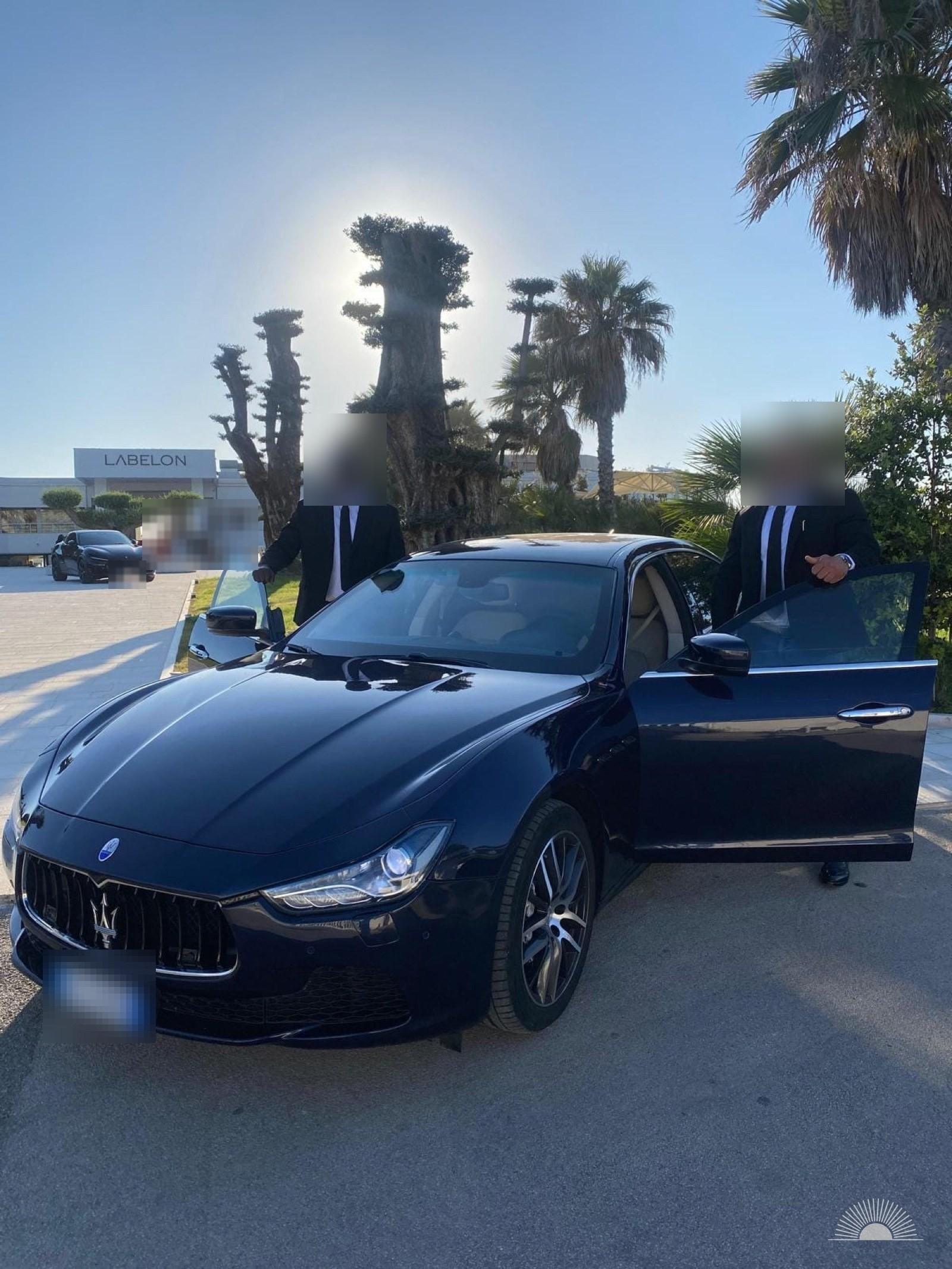
Armoured vehicles are not always the right answer. In many environments, a visibly armoured SUV signals security status and creates targeting risk. Vehicle selection depends on the environment: in some contexts a standard executive saloon driven by a chauffeur attentive to discretion is a better security posture than a visible armoured platform.
Discretion as a Security Asset
The finest security drivers are those who appear to be nothing more than excellent chauffeurs. Uniform, manner, vehicle: all calibrated to the environment. A door opened at precisely the right moment. A vehicle positioned so the principal never crosses open ground unnecessarily. The craft is in what the observer does not notice.
Discuss this with a coordinator
If a specific situation in this article is relevant to a current or upcoming requirement, a coordinator will reply promptly, in confidence and without obligation.