Security for UHNW Art Collectors | From Art Basel to Private Vaults
In this article
- Art Basel and major fair security
- Transportation of high-value art
- Residential collection security
The global art market transacts approximately $65 billion annually with less regulatory scrutiny than almost any other financial market at comparable scale. For the UHNW collector, this opacity is a feature, it provides privacy, flexibility, and freedom from public disclosure. It is also a security vulnerability: the same opacity that protects the collector's privacy from public view makes it difficult to establish provenance chains, verify transaction parties, and protect against the specific risks that attend the movement and storage of high-value cultural assets. FFGR's approach to art security covers the physical, personnel, and intelligence dimensions of protecting both the collection and the collector.
Art Basel and major fair security
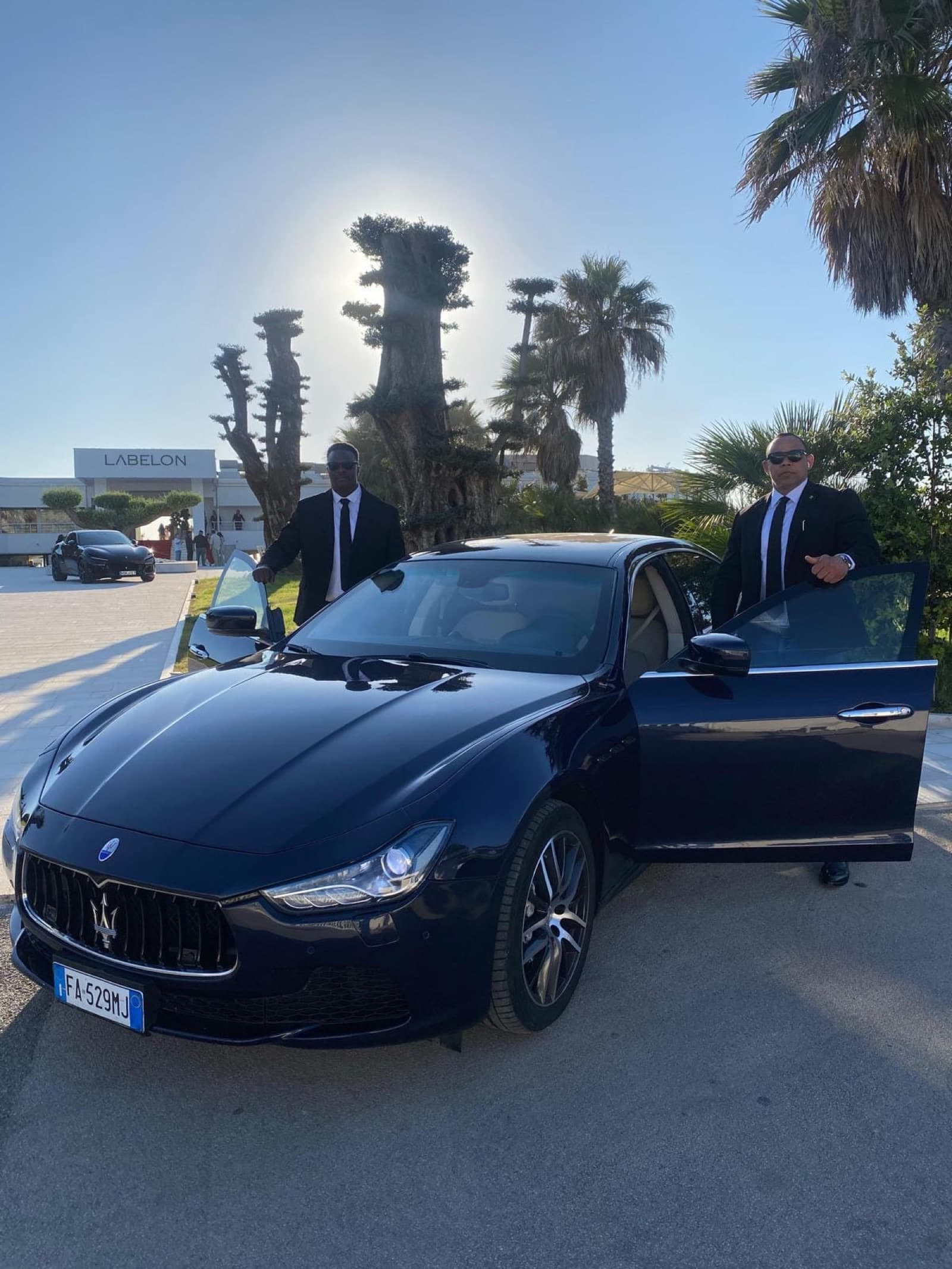
Art Basel, the flagship fair in Basel, its Miami Beach edition, and Art Basel Paris, concentrates a significant proportion of the world's UHNW collector community in a single venue over a five-day period. The concentration is known to criminal networks that target collectors: wallet theft and pickpocketing at fair openings is documented; vehicle targeting in hotel arrival zones has been reported at both the Swiss and Miami editions; and social engineering approaches, individuals attending the fair specifically to identify and befriend wealthy collectors, occur at every major edition. FFGR provides close protection for Art Basel attendance on a per-mandate basis, covering arrival security, venue movement, collector dinner security, and hotel departure.
Transportation of high-value art
The movement of high-value art between residences, storage facilities, auction houses, and restoration ateliers is one of the highest-risk moments in a collection's lifecycle. Professional art theft targeting transit: not gallery or museum theft, which carries significant technical difficulty, but targeting the vehicle during movement: is a documented methodology. FFGR provides art transit security using route planning calibrated to minimise predictability, close protection vehicles travelling in convoy with the transport, and counter-surveillance coverage of loading and unloading points at both origin and destination. Insurance requirements for high-value transit typically mandate a security protocol: FFGR works directly with specialist art insurers to ensure that the security posture meets or exceeds the insurer's specified standard.
Residential collection security
The collector's residence, in the context of art security, is a significantly higher-value target than the average UHNW residence. A collection of moderate size held in a private residence may contain works whose combined value exceeds the replacement value of the property itself. Physical security of the residence must be designed with the collection as the primary asset: access control systems rated to the value present, environmental monitoring (temperature, humidity, smoke, and flood detection integrated with the security monitoring), and movement detection that covers collection storage areas independently of the general residence. FFGR conducts art-specific residential security assessments that evaluate the security infrastructure against the collection value rather than against a generic residential standard.
Discuss this with a coordinator
If a specific situation in this article is relevant to a current or upcoming requirement, a senior coordinator will respond within sixty minutes : confidential, no obligation.