Close Protection at Public Events | Concerts, Stadiums and Mass-Attendance Venues
In this article
- Pre-event advance: the intelligence before the crowd
- Arrival: managing public exposure at entry
- In-venue coverage: the balance of enjoyment and security
- Crowd emergencies: crush, evacuation, incident response
Mass-attendance public events: concerts, music festivals, stadium sport, championship finals, major awards ceremonies: present a set of security challenges that are structurally different from most of the environments in which close protection operates. Access control is broad and deliberately inclusive; tens of thousands of strangers share the space; the principal's presence may be publicly known in advance; and the infrastructure of the venue is designed for spectator movement rather than security management.
FFGR teams working public events do not attempt to replicate the control conditions of a private environment. The operational objective is the management of risk within an environment that cannot be controlled: which requires a different set of principles than a private dinner, a corporate visit, or a residential programme.
Pre-event advance: the intelligence before the crowd
FFGR advance teams arrive at a major public venue before the gates open. The advance covers: venue layout mapping (all exits, backstage access, first aid locations, security posts, camera positions), arrival and departure route options (typically multiple), the location and access protocol for premium or VIP seating areas, the venue's own security structure and who the FFGR team leader should contact for assistance, known protest or demonstration activity that may affect arrival routes, and any specific threat intelligence relating to the event (heightened threat level, prior incidents at the venue, specific targeting of the artist or event).
Arrival: managing public exposure at entry
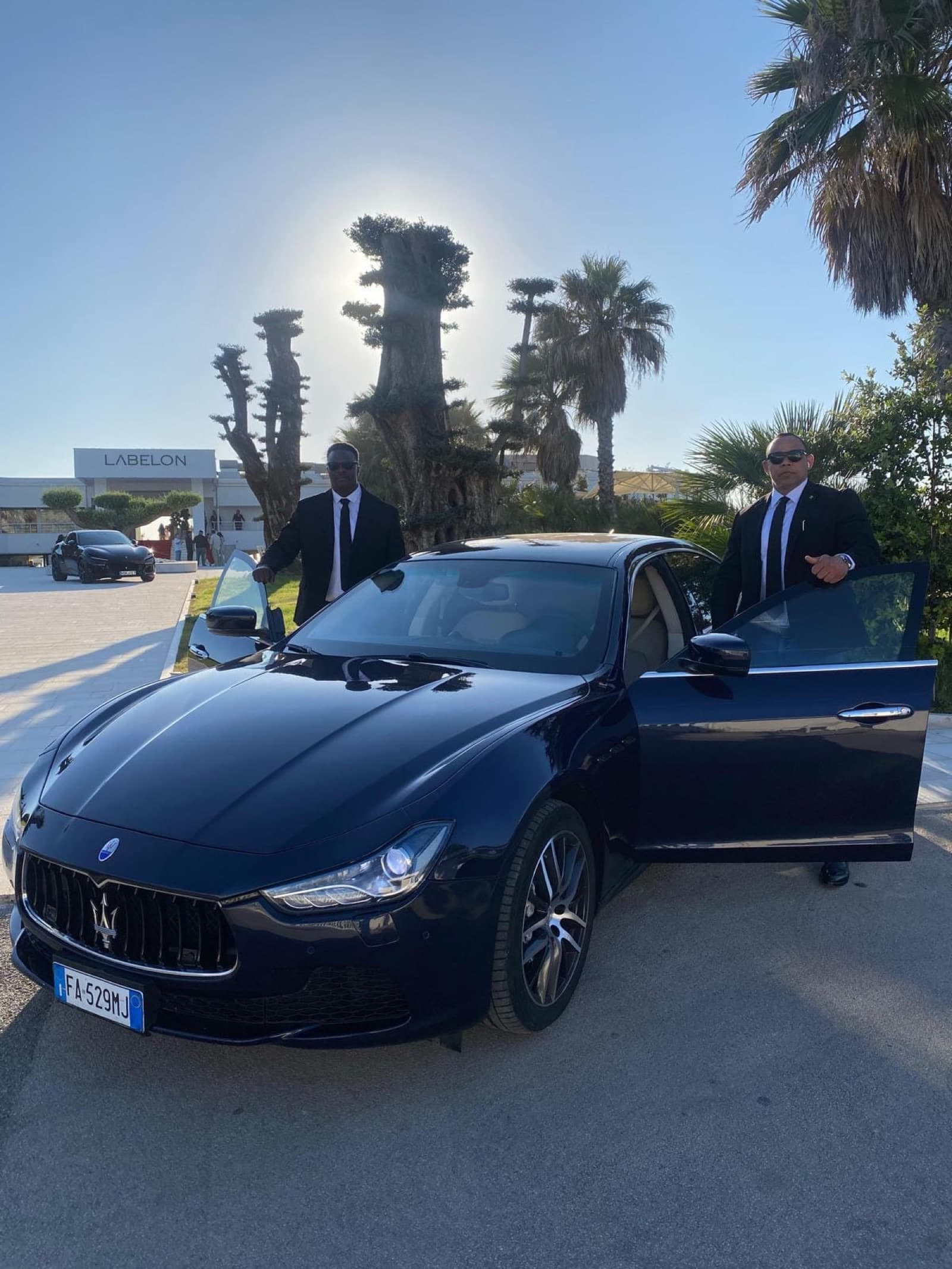
Arriving at a major public event is often the highest-exposure moment. The principal is on foot in a crowded public space, moving from a vehicle to a building entrance, potentially recognisable, potentially surrounded by fans or media. FFGR manages event arrivals with a vehicle stage as close to the VIP or premium entrance as possible, a foot team covering the principal from vehicle to entrance door, a pre-agreed meeting point for the venue's own VIP host, and a contingency for rapid return to the vehicle if the crowd situation at the entrance is unmanageable. For high-profile principals, FFGR uses decoy arrival timing, staging the vehicle arrival for a moment when the entrance crowd is thinner, when the venue and operational situation permit.
In-venue coverage: the balance of enjoyment and security
The principal is at a public event to enjoy it. FFGR's in-venue posture is the minimum coverage necessary to maintain the protective function without degrading the principal's experience. For most concert or stadium events, this means one officer within arm's reach of the principal and one officer at the primary exit route from the seating or hospitality area. Officers in these positions are in civilian dress, do not engage with other spectators, and communicate via discreet earpiece only. The principal's social companions, family members, guests, are accounted for in the seating configuration, and the team knows who belongs to the group and who does not.
Crowd emergencies: crush, evacuation, incident response
Mass-attendance venues create the risk of crowd emergencies, crush events, evacuation, fire, and active threat scenarios, that require a specific response that differs from standard close protection incident management. The primary objective in a crowd emergency is immediate extraction of the principal via the nearest pre-identified exit, regardless of whether the emergency is in the principal's immediate vicinity. FFGR teams at major public events pre-plan extraction routes to at least three exits and maintain a vehicle with a driver on standby at the designated departure point throughout the event. Extraction from a major venue during an active emergency is a rehearsed procedure, not an improvised one.
Discuss this with a coordinator
If a specific situation in this article is relevant to a current or upcoming requirement, a senior coordinator will respond within sixty minutes : confidential, no obligation.