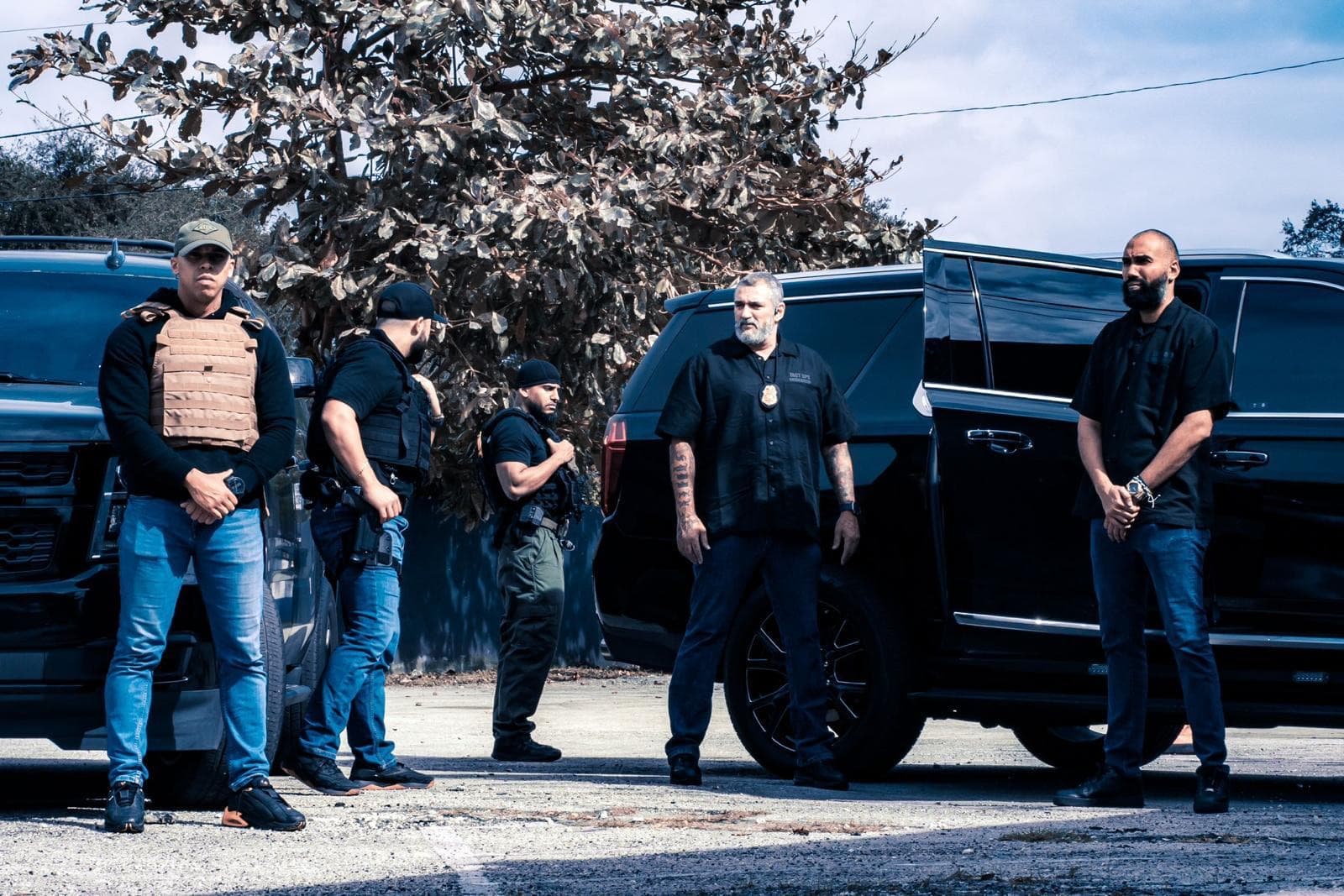
The Principal Security Briefing | What Principals Need to Know About Their Own Protection
In this article
- What the team needs from you
- The emergency signal and the duress phrase
- Digital hygiene for principals
- What to do if separated from the team
A close protection programme is most effective when the principal is an informed participant rather than a passive subject. This does not mean the principal needs to understand tactical concepts or take an active role in their own security: it means they need to understand enough about the programme to cooperate with it instinctively, to make decisions that support rather than undermine it, and to communicate effectively with the team when situations arise that require their input.
FFGR conducts a principal security briefing at the start of every new mandate. The briefing is calibrated to the principal's security awareness, their lifestyle, and the specific risk environment they operate in. This note summarises the content that most principals benefit from, and the most common knowledge gaps that create operational friction.
What the team needs from you
The single most important behaviour change for most principals is advance communication of schedule changes. A protection team that learns the principal has decided to extend a dinner, attend an unplanned party, or change their return route with thirty seconds' notice has no time to advance the new location, restage the vehicle, or assess the new environment. FFGR asks principals to communicate schedule changes, even minor ones, to the team leader as early as possible. 'As early as possible' in a close protection context means fifteen minutes minimum for a venue change; ideally twenty-four to forty-eight hours for any new element of the programme.
The emergency signal and the duress phrase
Every principal in an active mandate should know two things: the emergency signal (typically a short, specific phrase or gesture that tells the team to move immediately without explanation) and the duress phrase (a word or phrase that communicates to the team that the principal is under coercion while appearing to be communicating normally). These are agreed in the initial briefing and practised. The principal who has never rehearsed the emergency signal will not produce it under stress, they will improvise, and improvisation in a security incident creates dangerous ambiguity.
Digital hygiene for principals
Principal digital hygiene is one of the fastest-growing areas of security briefing content. The key points: location sharing on personal devices should be restricted to a small, known group; social media posts that reveal current location, upcoming travel, or daily routine should be reviewed before publication; calendar applications with travel details should be on devices with full encryption; and the principal's personal assistant and household staff should understand that calendar and travel information is confidential and should not be shared with third parties without specific authorisation.
What to do if separated from the team
In any mobile operation, there is a risk that the principal becomes separated from the close protection team, by crowd movement, an unexpected scenario, a vehicle failure, or a communication breakdown. The principal briefing includes a clear protocol for this scenario: move to a specific, pre-agreed 'rally point' (which may be the hotel, a named restaurant, or a specific landmark), make contact with the team leader via a pre-agreed communication channel (not the principal's primary phone if there is a device compromise risk), and avoid drawing attention to themselves while waiting. This protocol sounds simple but must be agreed and communicated in advance, a principal who has no rally point protocol will improvise in a way that makes recovery much more complex.
Discuss this with a coordinator
If a specific situation in this article is relevant to a current or upcoming requirement, a senior coordinator will respond within sixty minutes : confidential, no obligation.