Art Collection Security in International Transit | A UHNW Owner's Guide
In this article
- The information risk: who knows what and when
- Carrier selection and vehicle security
- Cross-border movements: customs, ATA carnets, and border procedures
- Residential receipt and hanging: the last-mile vulnerability
- When the work is out of the frame: loan periods and exhibitions
The international movement of a significant art collection: between a principal's primary and secondary residences, to and from a museum loan, to or from an auction house, or to storage during a property renovation: represents one of the most complex personal security and logistics challenges in the UHNW calendar. The value is concentrated, the transit window is predictable, and the number of parties with prior knowledge of the movement (insurer, carrier, shipper, customs broker, consignee) creates an information trail that, if not managed carefully, creates a targeting opportunity.
The information risk: who knows what and when
The primary security vulnerability in art transit is not the transport itself but the information that necessarily precedes it. A transit involving works of museum quality requires: insurance notification and valuation confirmation, customs documentation for cross-border movements, specialist carrier engagement, receiving institution or location preparation, and often consignee communication. Each of these touchpoints creates a record of what is moving, when, and where to. Managing the information chain, limiting knowledge to those who operationally require it, using cover descriptions where appropriate for insurance and shipping documents, and controlling the timing of information release, is the first line of defence.
Carrier selection and vehicle security
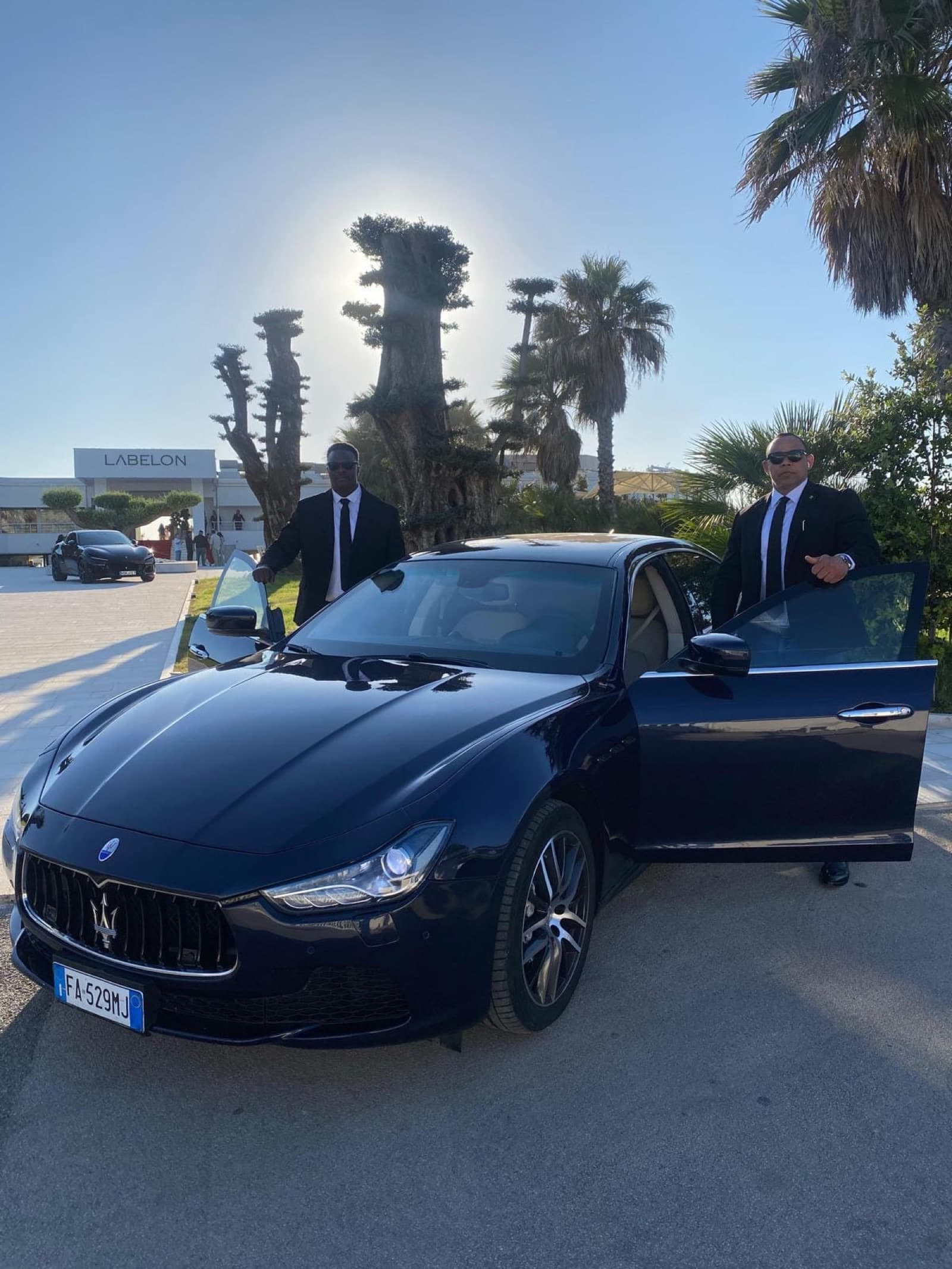
Specialist fine art carriers provide environmentally controlled vehicles, climate monitoring, and white-glove handling, but their security posture varies significantly. FFGR works with collection owners to assess their preferred carriers and to advise on the security elements of carrier selection: whether the carrier operates with their own security escort or relies on client-arranged protection, how GPS tracking and vehicle immobilisation is configured, what their incident response protocol is, and whether their drivers are trained in counter-surveillance and evasive routing. For movements of works above a threshold value (typically agreed with the principal's insurer), FFGR provides a dedicated security escort vehicle in convoy with the carrier.
Cross-border movements: customs, ATA carnets, and border procedures
Cross-border art movements involve customs declaration and, for significant works, ATA carnet or equivalent temporary import documentation. The customs process creates additional information visibility and physical handling by customs officers. FFGR coordinates with the principal's customs broker and the receiving country's customs authority to minimise the window during which works are accessible in a customs examination environment, to ensure that customs inspections occur in a secure, monitored space rather than a general warehouse, and to maintain continuity of custody documentation throughout the transit.
Residential receipt and hanging: the last-mile vulnerability
The final leg of an art transit, from the carrier vehicle into the principal's residence, is operationally distinct from the transit itself. The receiving environment must be prepared: advance team confirming the designated installation area, domestic staff awareness limited to those who need to be present, no external contractors coinciding with the delivery window, and a controlled access plan that prevents overlap between the art delivery and unrelated household traffic. FFGR provides last-mile security coverage for residential receipt of significant works, coordinating with the installation team (picture hanger, art consultant, or the principal's curator) to ensure a clean handover.
When the work is out of the frame: loan periods and exhibitions
When a principal lends a significant work to a public institution, a museum retrospective, a charity gala loan, a diplomatic exhibition, the work leaves the owner's controlled environment for an extended period. The receiving institution provides its own conservation and security; the owner's interest is in ensuring that the institution's standards are contractually defined and met, that the work is insured for full replacement value during the loan period, and that the return transit receives the same security planning as the outbound movement. FFGR advises collection owners on the security due diligence process for loan agreements and provides security oversight for the return transit at the end of the loan period.
Discuss this with a coordinator
If a specific situation in this article is relevant to a current or upcoming requirement, a senior coordinator will respond within sixty minutes : confidential, no obligation.