Tokyo Executive Protection | Security for UHNW Principals in Japan
In this article
- Threat environment in Japan
- G7 corridor and diplomatic calendar
- Vehicle operations in Tokyo
- Cultural protocol and the Japanese client environment
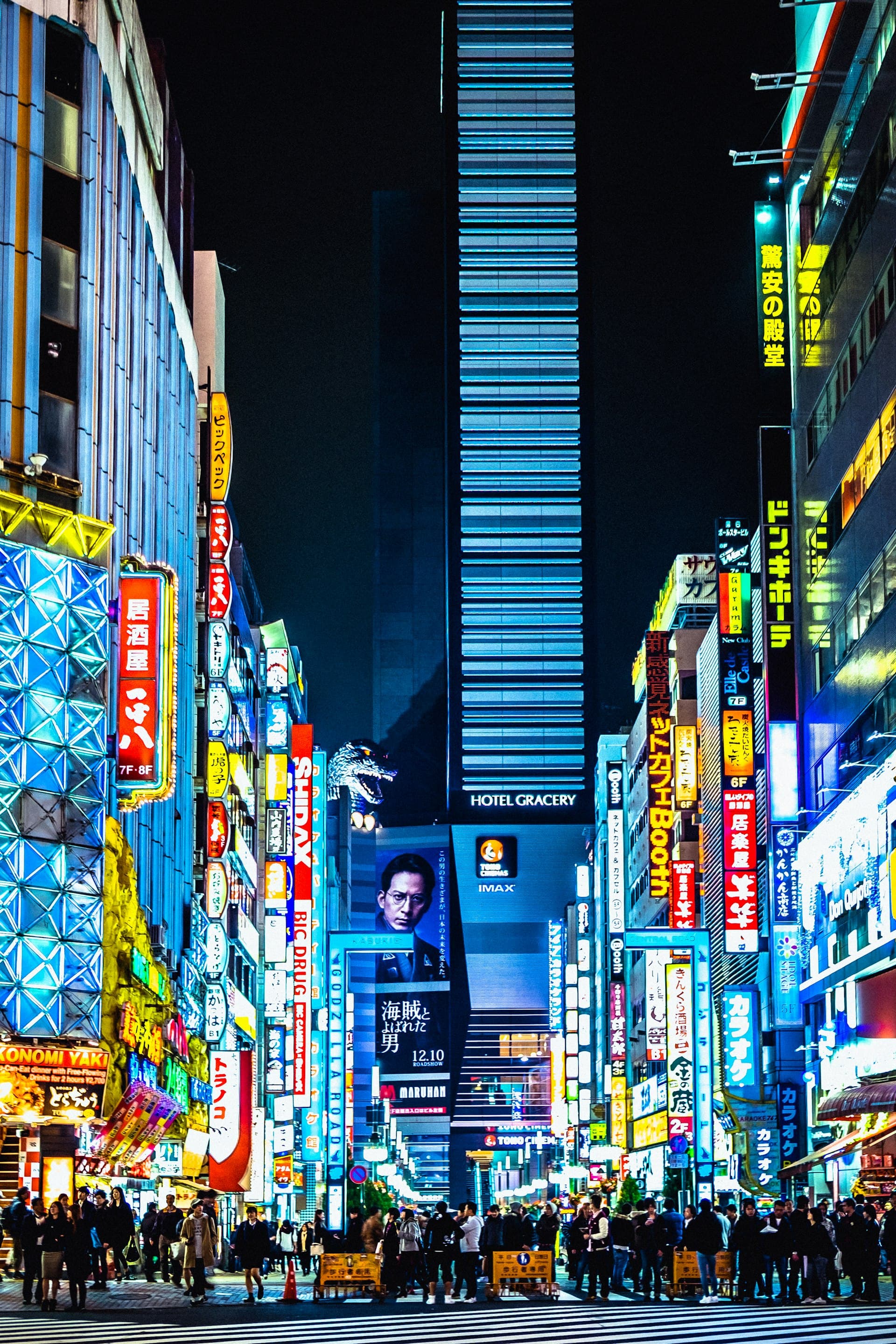
Japan's reputation as one of the world's safest countries is well-founded, but it creates a false sense of security for foreign UHNW principals who interpret "safe" as "no risk." Tokyo presents a distinctive protective environment shaped by the density of G7 political activity, the concentration of sovereign wealth engagement in the Marunouchi and Nihonbashi financial districts, and a cultural framework for security that differs substantially from European norms. This guide addresses how FFGR approaches Tokyo mandates.
Threat environment in Japan
The residual threat for UHNW principals in Japan is dominated by three categories: targeted attacks on political or business figures (the Abe assassination in 2022 marked a watershed in awareness of this risk), harassment and targeting of foreign executives with China-facing business exposure (a pattern that has intensified with semiconductor and AI trade friction), and the standard opportunistic risks faced by any high-visibility foreign principal (pickpocket-class theft in transit hubs, targeted approach by organised groups at luxury hotel lobbies). Japan's low violent crime statistics mask a specific targeting landscape for principals with high business visibility.
G7 corridor and diplomatic calendar
Tokyo is the pivot point for the annual Japan-hosted G7 summit rotation, the Pacific Economic Cooperation Council, and the Nikkei Global Management Forum. Each of these events concentrates diplomatic principals, corporate leadership, and sovereign wealth in a two-to-four-day window, driving a surge in Midtown Tokyo hotel occupancy and motorcade density on the Chiyoda to Shibuya corridor. FFGR maintains standing advance teams in Tokyo for pre-event preparation during these windows, with Japanese-speaking officers, established relationships with the Metropolitan Police Department (MPD) security division, and local knowledge of the relevant hotel security environments (The Peninsula, Palace Hotel Tokyo, Hotel New Otani, Aman Tokyo).
Vehicle operations in Tokyo
Tokyo vehicle operations present challenges that differ from any European city: extreme traffic density during business hours, a road network that is largely GPS-unreliable due to address system complexity, and a regulatory environment that limits armoured vehicle registration for non-diplomatic principals. FFGR operates in Tokyo through an established local partner arrangement that gives us access to a registered armoured fleet (Toyota Land Cruiser 300 B6, Lexus LX 600) under Japanese registration. All vehicles are operated by bilingual officers with MPD escort liaison credentials.
Cultural protocol and the Japanese client environment
Security posture in Japan requires significant cultural calibration. Overt close protection visible to Japanese business counterparts can create reputational and relationship friction: the cultural norm is extreme discretion. FFGR's Japan team is instructed to maintain a zero-visible profile in business settings, with protection delivered through positioning, route pre-clearance, and discreet officer presence rather than the conspicuous coverage that would be standard in the Gulf or New York. Business card protocol, seating hierarchy, and gift-giving procedures are briefed to all FFGR officers prior to deployment, and our Japan team includes officers with native Japanese language capability and direct experience in Japanese corporate environments.
Discuss this with a coordinator
If a specific situation in this article is relevant to a current or upcoming requirement, a senior coordinator will respond within sixty minutes : confidential, no obligation.