
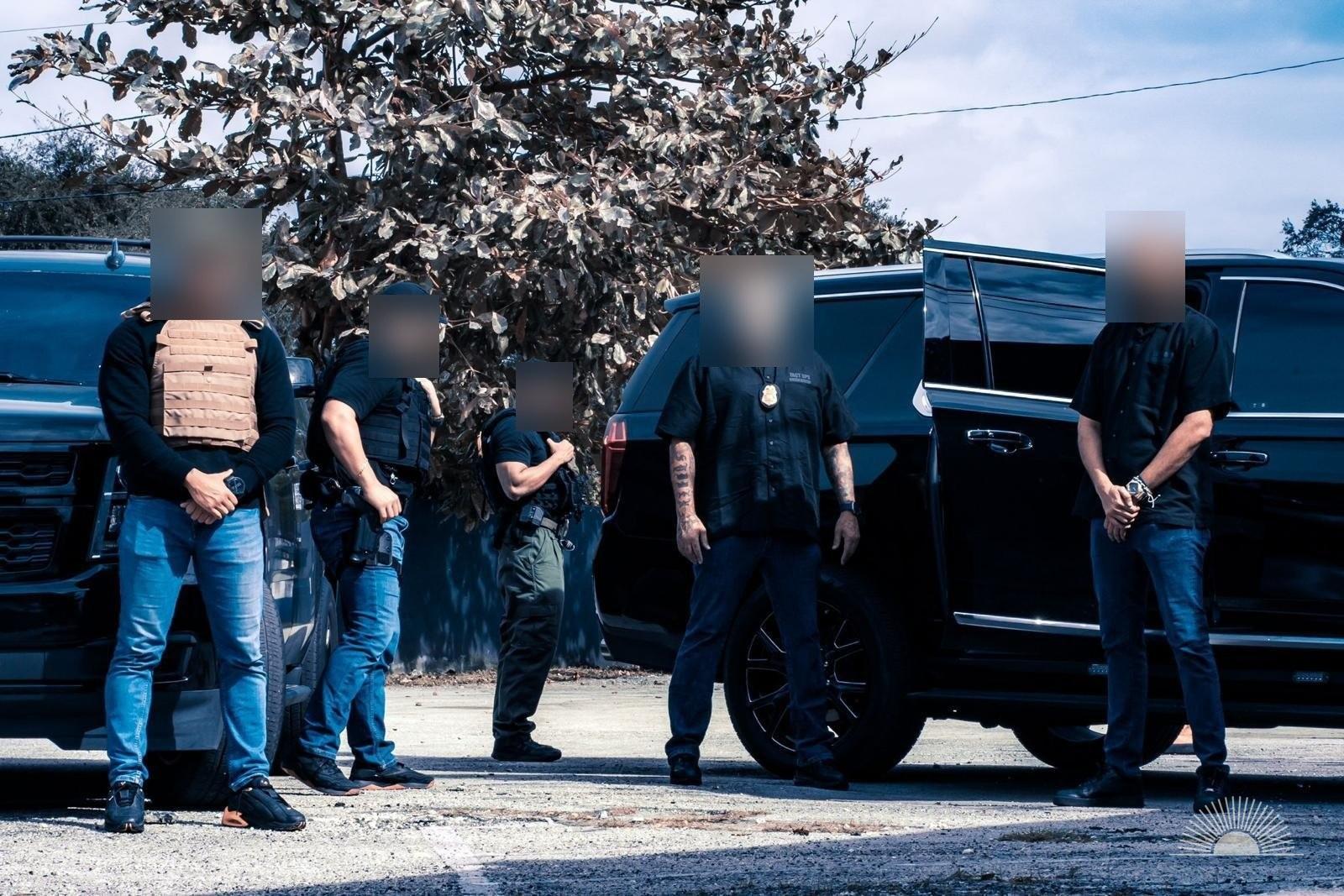
How a Protection Team Should Be Briefed | Standards Before Every Deployment
In this article
- The seven-layer brief
- Principal profile: what officers need to know
- Advance work: the officer who arrives first
- The live brief: what changes during a mandate
- After the mandate: the after-action report
The quality of a protection programme is decided as much before the officer meets the principal as during the mandate itself. Poor briefing produces protection officers who are reactive, who do not understand the principal's specific vulnerability profile, and who apply a generic posture to a specific situation. The pre-deployment briefing cycle is worth describing, because it is where the quality of a programme is first decided.
The seven-layer brief
A sound deployment is preceded by a seven-layer brief delivered to the protection team before they meet the principal. The layers are: (1) Principal profile, including health considerations, physical and psychological needs, social environment, family structure; (2) Itinerary and location advance, confirmed schedule, venue assessments, hotel pre-clear; (3) Threat picture, country, city, event, and principal-specific; (4) Vehicle plan, confirmed vehicles, routes, alternates, driver briefing; (5) Communications plan, contact tree, encrypted channel setup, medical emergency contacts; (6) Contingency tree, scenario-by-scenario response protocols; (7) Client-specific preferences, visibility level, officer conduct, dress code, what the principal has and has not been told about the mandate.
Principal profile: what officers need to know
The principal profile is the most sensitive layer and the one most often underinvested. A complete profile covers: relevant medical conditions and the medications the principal carries; physical capabilities that affect extraction planning; known psychological responses to security presence (some principals become more anxious with visible close protection); family members and their individual risk profiles; close associates who have legitimate access; and any prior security incidents, attempted approaches, surveillance notices, media incidents. This information should be held only by the officers directly involved and the coordinator, segregated from any other assignment.
Advance work: the officer who arrives first
For any substantial deployment, it is good practice for at least one officer to arrive ahead of the principal. The advance officer clears the hotel suite, identifies the duty manager and establishes liaison, walks every route between vehicle drop and elevator, identifies back-of-house extraction routes, confirms the vehicle staging positions, and produces a written advance report for the arriving team. For complex mandates, multi-venue private events, multi-city itineraries, sensitive environments, the advance work starts earlier and its report drives the final team brief.
The live brief: what changes during a mandate
The pre-deployment brief is not static. The team should be updated throughout the mandate: protests, media events, weather disruptions, changes in the principal's schedule. A daily briefing is the minimum, with an immediate update whenever the picture changes materially. The principal and their chief of staff receive separate, edited updates; operational detail stays with the team.
After the mandate: the after-action report
A mandate should close with a confidential after-action report for the principal's chief of staff or security director. It covers: timeline versus plan, incidents and near-incidents, observations, recommendations for the next visit, and any change in the principal's situation noticed during the mandate. Most principals read only the executive summary. Each protection assignment is studied case by case and entrusted to a member of the Federation.
Discuss this with a coordinator
If a specific situation in this article is relevant to a current or upcoming requirement, a coordinator will reply promptly, in confidence and without obligation.