Superyacht Security for Owners: A Comprehensive Guide to Protecting Your Vessel and Principal
In this article
- The threat picture for major yacht owners
- Vessel security architecture
- Shore party security during port calls
- Charter deployment and off-season security
- Integration with the captain's authority
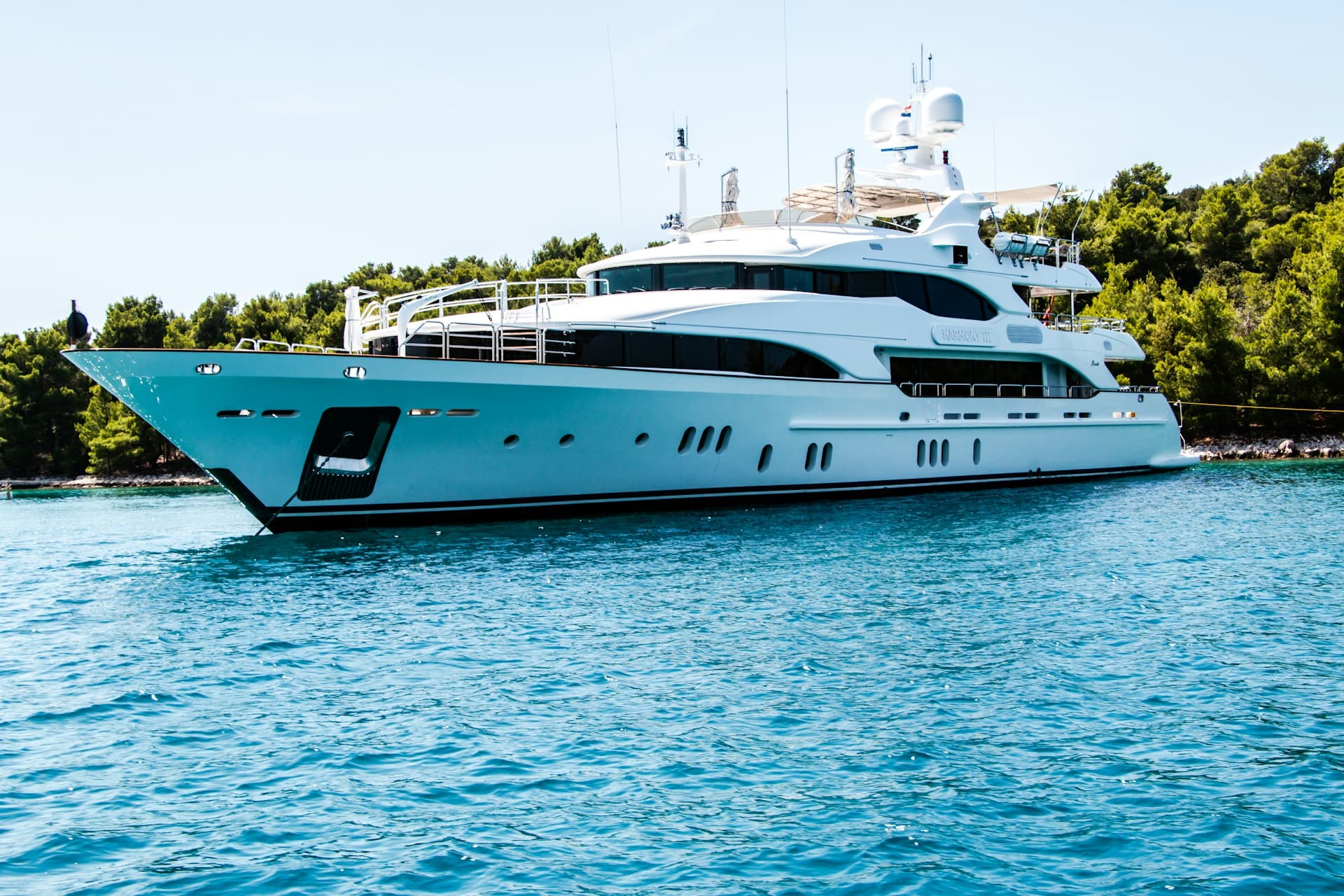
Superyacht security for owners differs fundamentally from charter yacht security or point-in-time maritime protection. The owner's yacht is a permanent, known, trackable asset that carries the principal in a variety of contexts: extended passages, port stays, short leisure periods, charter deployment when the owner is not aboard, and the full range of social and entertainment uses that a major yacht supports. The security programme must function effectively across all of these contexts, seamlessly, and without disrupting the character of life aboard.
The threat picture for major yacht owners
Major yachts are conspicuous assets. A 50-metre-plus vessel is identifiable by name, flag, hull, and in many cases AIS tracking (which, despite the ability to disable transponders, is often left active for regulatory and practical reasons). The vessel's location is frequently published on yacht tracking platforms and visible to anyone with an internet connection. This tracking capability means that threat actors, from opportunistic to organised, can establish the principal's location with a precision that is rarely possible on land. The physical security of the vessel itself, the shore party security during port calls, and the communications security of the vessel's information environment are all specific considerations that do not arise in land-based mandates.
Vessel security architecture
Vessel security architecture covers the physical, electronic, and procedural elements of the yacht as a security environment. Physical: access control at the gangway, camera systems covering the exterior and key interior zones, safe room capability for the owner's stateroom, and lock-down procedures for the vessel when the owner is aboard and the crew is at minimum. Electronic: cybersecurity of the vessel's integrated systems (modern superyachts have extensive networked infrastructure that can be compromised from outside the vessel), communications security for owner and guest communications, and GPS/AIS management. Procedural: guest and visitor vetting protocols, crew background checking, and the integration of the security function with the captain's command authority.
Shore party security during port calls
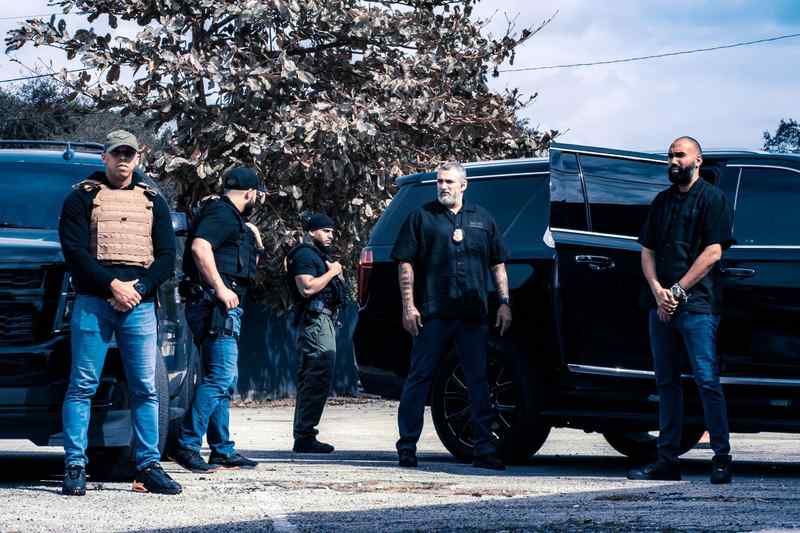
The shore party, when the owner and guests leave the vessel for dining, excursions, or social engagements in port, is the highest-risk period of any yacht deployment. The owner transitions from a controlled, surveilled environment (the vessel) to a public environment with unknown parameters. FFGR's shore party security service covers the full movement: gangway-to-vehicle, venue advance at restaurants and private locations, crowd management in high-density port environments (Saint-Tropez, Portofino, Mykonos, Bodrum), and return-to-vessel escort. For extended shore excursions, day trips, island visits, helicopter movements, the security advance is conducted the previous day where schedule allows.
Charter deployment and off-season security
Many major yachts are deployed on charter when the owner is not aboard. Charter deployment creates a specific security dimension: the vessel is occupied by unknown charterers who have been through a commercial vetting process but not a security vetting process; the vessel is in motion on a charter itinerary with different port calls and different shore party exposure; and the owner's sensitive personal items (documents, electronics, personal effects) must be secured or removed before charter deployment. FFGR provides pre-charter security reviews, covering the transition from owner use to charter deployment, the security protocols that should be communicated to charter captains, and the post-charter security check when the vessel returns to owner use.
Integration with the captain's authority
The captain of a superyacht holds the highest authority aboard the vessel by maritime law and operational convention. Any close protection programme deployed on a superyacht must be explicitly structured around the captain's command: not in competition with it. FFGR's maritime security specialists are experienced in the specific dynamics of working aboard a crewed superyacht, and our initial pre-deployment briefing with the captain covers the integration protocol, the command hierarchy for security decisions, and the specific procedures for emergency scenarios where maritime law and close protection protocol intersect.
Discuss this with a coordinator
If a specific situation in this article is relevant to a current or upcoming requirement, a senior coordinator will respond within sixty minutes : confidential, no obligation.