Verbier and St Moritz Close Protection | Alpine Ski Season Security for UHNW Principals
In this article
- St Moritz: the world's most watched ski resort
- Verbier: less formal, higher access challenge
- Medical capability and mountain emergency response
- The Gstaad circuit and French Alps alternatives
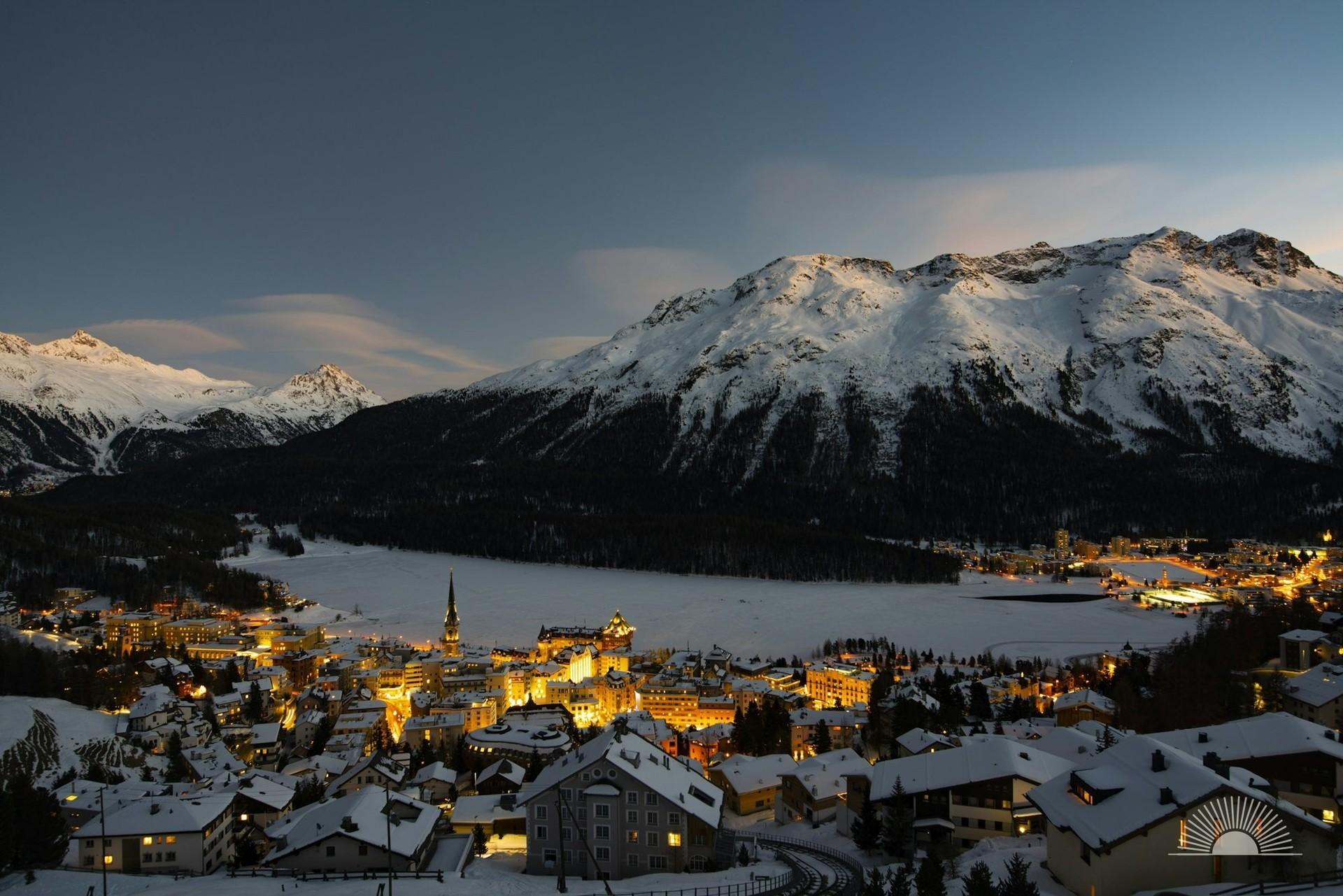
The winter alpine season, running from late December through March across the Swiss, French, and Austrian ski resorts, creates one of the most concentrated UHNW environments in the world. St Moritz in January and February hosts a disproportionate fraction of European billionaire wealth: family offices, sovereign fund managers, fashion and entertainment principals, and political figures converge on a small geographic area with fixed, known locations (their chalets), predictable daily patterns (ski lifts open at 9am, lunch at mountain restaurants at noon, après-ski at 5pm), and relatively few route options. This predictability, combined with the exposure of mountain environments and the informality that ski environments naturally encourage, creates a protection challenge that is different from an urban close protection mandate.
St Moritz: the world's most watched ski resort
St Moritz is the archetype of the UHNW alpine resort: the Badrutt's Palace hotel provides an orientation point around which a significant fraction of the resort's visible wealth organises, and the Corviglia and Marguns ski areas are the primary operating environment. The protection challenge in St Moritz is visibility management, the resort's compact geography and the social nature of the environment make it extremely difficult for a UHNW principal to move without being observed and potentially photographed. In St Moritz, the posture focuses on ski-terrain route planning (which runs offer more privacy, how to manage the midday mountain restaurant exposure), low-profile vehicle movement in the village, and residential security for the chalet, typically the largest security gap in an alpine mandate, since chalet rental or ownership creates a fixed, identifiable residence that is genuinely harder to protect than a hotel room with access control.
Verbier: less formal, higher access challenge
Verbier attracts a slightly younger, more international UHNW profile than St Moritz, finance and technology principals, celebrities and entertainment figures, alongside the traditional European wealth that characterises the Swiss alpine circuit. The Verbier environment is somewhat less structured than St Moritz: the off-piste terrain is more varied, the après-ski culture is more unpredictable, and the access roads, a single route in and out of the resort, create a bottleneck that requires specific advance planning for vehicle movements. A Verbier stay is often best served by a chauffeur attentive to discretion, based in the resort for the duration of the stay, with route timing and snow conditions incorporated into daily planning.
Medical capability and mountain emergency response
The mountain environment introduces a medical risk dimension that is absent from most urban close protection mandates. Ski and snowboard injuries, altitude-related medical events, and the longer response time of mountain rescue services in bad weather create a medical gap that must be anticipated. For principals with known medical conditions or at specific risk of cardiac events, a medical professional can join the team on request. Helicopter evacuation from alpine locations is logistically straightforward: Rega (the Swiss Air-Rescue service) operates from Samedan Airport (near St Moritz) and multiple alpine landing zones, and advance work in alpine environments should always include hospital capability assessment and evacuation route planning.
The Gstaad circuit and French Alps alternatives
Gstaad, the most private of the major Swiss resorts, requires a different close protection posture: the village's self-policing discretion culture and the relatively lower profile of its UHNW population (owners of extremely high-value private properties who value anonymity above social visibility) favours a particularly low-footprint protective approach. Courchevel 1850 and the French Alps, Méribel, Val d'Isère, Megève, present similar operational environments to the Swiss circuit but within a French legal and operational context. Each protection assignment is studied case by case and entrusted to a member of the Federation.
Discuss this with a coordinator
If a specific situation in this article is relevant to a current or upcoming requirement, a coordinator will reply promptly, in confidence and without obligation.