Yacht Charter Security | What UHNW Principals and Captains Need to Know
In this article
- The threat environment: what actually happens on superyachts
- Embedding security into the charter: practical considerations
- Tender operations and shore excursions: the highest-risk moments
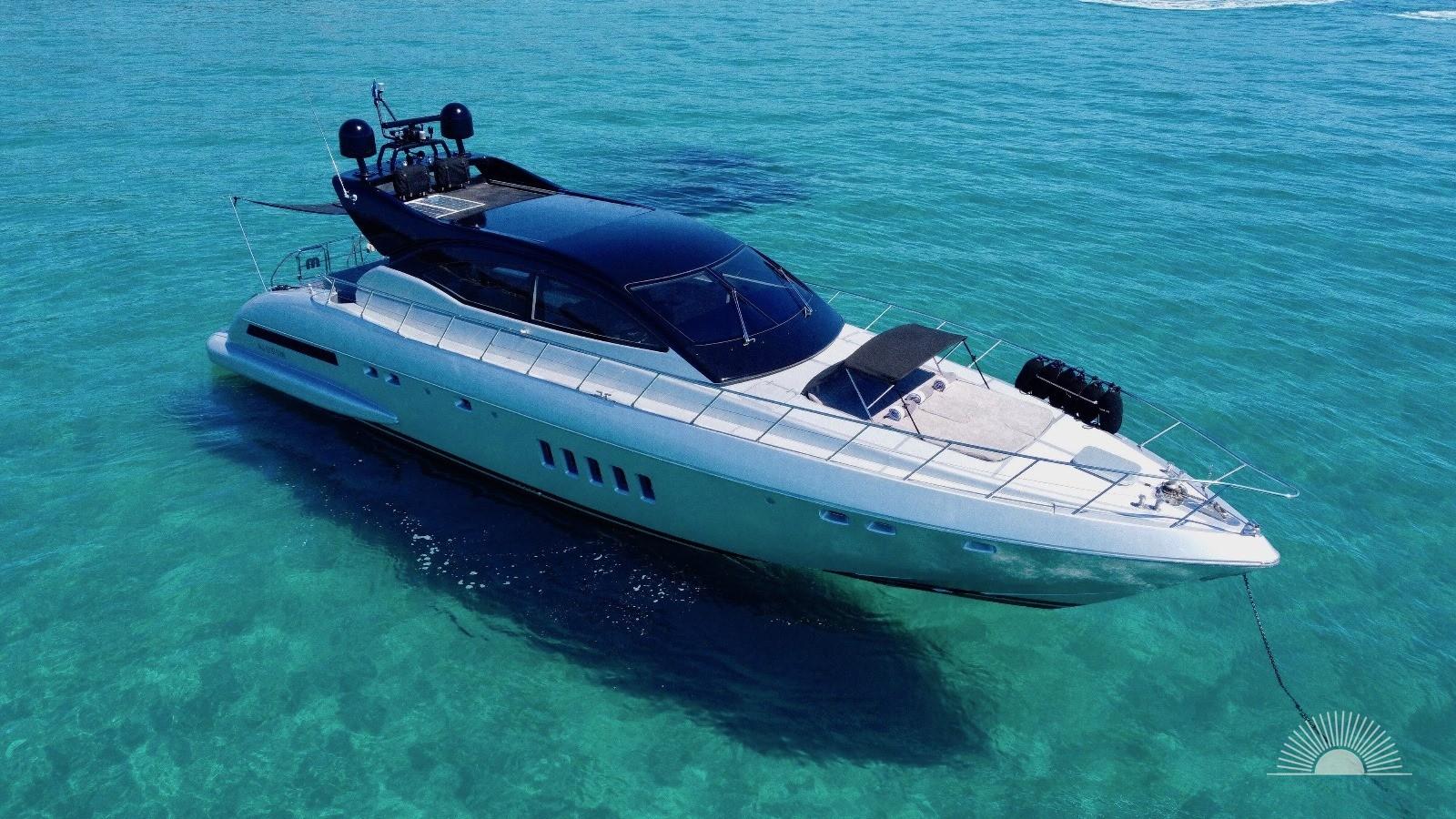
The private yacht charter environment is operationally unique: it offers extraordinary privacy and the absence of the fixed location vulnerabilities of a residence or hotel, while simultaneously placing the principal in an environment with no default security infrastructure, limited emergency services response capability, and a perimeter that cannot be hardened in the way of a fixed property. Most charter yachts are operated with crew trained in seamanship and guest service, not in security. The captain holds responsibility for crew and vessel safety under maritime law, but has no training or mandate to provide close protection for principals aboard. This gap is the foundation of yacht security planning.
The threat environment: what actually happens on superyachts
The documented security incidents on superyachts divide into three categories. Maritime crime: theft from vessels at anchor, particularly in less-secured anchorages in the Eastern Mediterranean, Caribbean, and Indo-Pacific: is the most common. Intrusion events, in which individuals approach or board vessels at anchor under the pretence of selling goods or seeking assistance, have been used as cover for theft and, on documented occasions, for approach attempts on principals. The third category: targeted approaches by individuals who have obtained information about the charter schedule, the principal's identity, and the vessel's movements through open-source or social engineering means: is the most operationally serious and the most underestimated. Social media posts from charter guests, broker communications, and marina records collectively create a targeting package that is available to anyone motivated to compile it.
Embedding security into the charter: practical considerations
Yacht security generally takes one of two forms. For a standard charter, a close protection officer or a two-officer detail travels with the principal's group, presenting as part of the guest complement and staying in touch with the captain on security matters. For a more exposed charter, a dedicated security team works separately from the charter party, with the captain, on the vessel's arrangements at anchorages and marina arrivals. The choice depends on the principal's situation, the charter region, and the profile sought.
Tender operations and shore excursions: the highest-risk moments
The transition from vessel to shore, tender operations and shore excursion departures, is the moment of highest vulnerability for a principal on a charter. The principal is moving between environments, is briefly in an exposed position during the tender transit, and is arriving at a public location that is potentially known to anyone monitoring the vessel's position. Each shore excursion deserves to be treated like an airport arrival: an advance element ashore, a vehicle waiting at the landing point, and a route plan from the landing location to the destination. The casual approach to shore excursions that characterises most charter operations, tender to the beach, walk to the restaurant, is acceptable for a low-profile holiday; it is not an appropriate posture for a principal with a meaningful threat profile. Each protection assignment is studied case by case and entrusted to a member of the Federation.
Discuss this with a coordinator
If a specific situation in this article is relevant to a current or upcoming requirement, a coordinator will reply promptly, in confidence and without obligation.