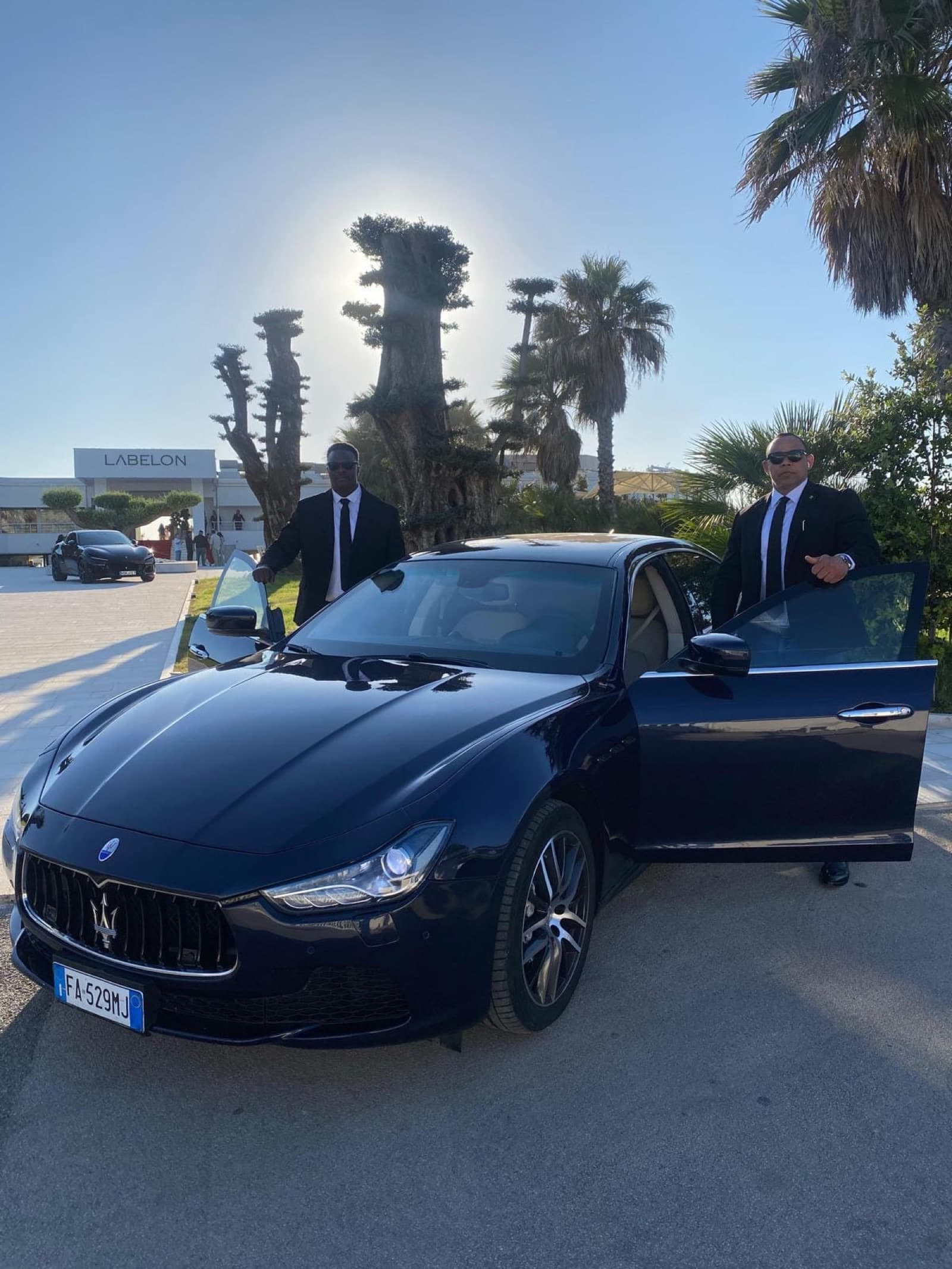
What to Expect from a Close Protection Officer | A Guide for Principals and Family Offices
In this article
- What a CPO actually does
- What a CPO is not
- Social protocol and integration
- Building an effective working relationship
The relationship between a principal and their close protection officer is one of the most unusual professional relationships in the world. It is intimate in physical terms: the CPO spends more proximate hours with the principal than almost anyone in their professional life: while remaining entirely functional in its purpose. Understanding what this relationship should look like, from a principal's perspective, makes the protective function significantly more effective and the daily experience considerably more comfortable.
What a CPO actually does
A CPO's primary function is threat identification, movement facilitation, and hostile approach prevention. In a low-threat day-to-day environment, much of what a CPO does is invisible: they have pre-checked the venue, pre-cleared the route, pre-assessed the crowd, and positioned themselves to intercept a threat that may never materialise. The visible part, the CPO walking beside you, the driver who knows the alternative route, the team member at the hotel door, is the surface expression of a much deeper protective architecture. When everything goes smoothly, it is usually because the CPO has managed the environment before the principal arrived, not because nothing happened.
What a CPO is not
A CPO is not a personal assistant, a concierge, a driver (unless specifically deployed as a security driver), or a general lifestyle manager. Confusing these roles creates friction, reduces the CPO's operational effectiveness, and creates the kind of distraction that leaves a principal vulnerable. The CPO's attention must remain on the protective task; splitting it between carrying bags, booking restaurants, and managing calls reduces the quality of the protection. FFGR deploys coordinators for logistics and CPOs for protection: never the same person for both.
Social protocol and integration
The social protocol between a principal and their CPO is defined at the start of the mandate, not improvised over time. Key questions to resolve: Does the principal prefer the CPO to be invisible in social settings, or is a functional social relationship acceptable? How should the CPO handle interactions with family members, guests, and staff? What is the communication protocol when the principal and CPO disagree on a security decision? FFGR's mandate briefings always include an explicit conversation about social protocol to ensure there are no ambiguities that create awkwardness during the deployment.
Building an effective working relationship
The most effective close protection relationships are built on clarity, not familiarity. The principal who communicates their schedule accurately, follows the agreed security protocol, and provides context for unusual changes to their plans gives their CPO the information needed to protect them effectively. The CPO who communicates threats, proposed mitigations, and concerns to the principal's coordinator without dramatising gives the principal the confidence to make informed decisions. The relationship functions well when it is professional, when both parties understand their respective roles, and when neither party treats the other's expertise as subordinate.
- Define social protocol at mandate start: not post-incident
- Keep the CPO informed of schedule changes, however minor
- Separate the CPO role from PA, concierge, and lifestyle management roles
- Debrief after incidents or near-misses: the CPO's perspective is operationally valuable
- Review mandate parameters quarterly as circumstances evolve
Discuss this with a coordinator
If a specific situation in this article is relevant to a current or upcoming requirement, a senior coordinator will respond within sixty minutes : confidential, no obligation.