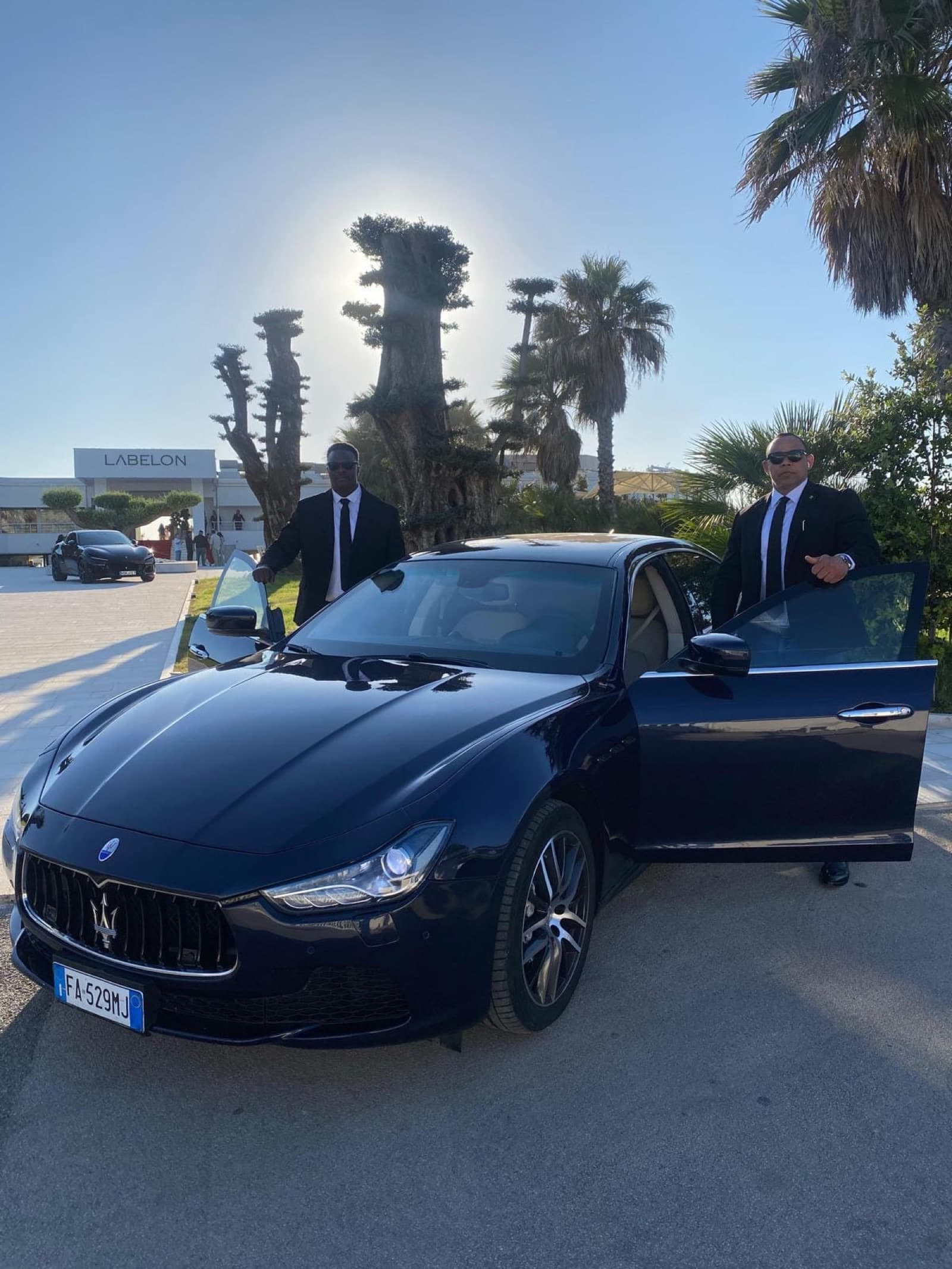
How Much Does Executive Protection Cost? A Guide for Principals and Family Offices
In this article
- The primary cost drivers
- Daily rate benchmarks by mandate type
- What should and should not be included
- Retained vs. event-based pricing
- The cost of under-protection
Executive protection pricing is one of the most opaque areas of the private security market. Vendors routinely obscure their cost structures, pad proposals with unnecessary capability, or underquote to win mandates before adding costs during delivery. This guide provides a transparent framework for understanding what drives close protection costs, what you should expect to pay across different mandate types, and what warning signs indicate a proposal that does not represent value.
The primary cost drivers
Close protection costs are driven by four variables: the size of the protection team, the qualification level of the officers, the vehicles and equipment required, and the operational support infrastructure (intelligence, coordination, communications). A single close protection officer in a low-threat European city costs less than a four-officer team with armoured vehicles in a high-risk emerging market. The most important determinant of cost is threat level, a mandate that genuinely requires a large team and armoured vehicles cannot be delivered cheaply without compromising the protection.
Daily rate benchmarks by mandate type
For a single experienced close protection officer in a major European city, daily rates typically range from £800 to £1,800 depending on qualification level, language requirements, and notice period. A two-officer team in the same environment ranges from £1,600 to £3,200 per day. Security driver services add £400 to £800 per day. Armoured vehicle provision adds £600 to £1,500 per day depending on the vehicle specification. In high-risk markets (West Africa, Latin America, parts of South Asia), all-in costs for a competent close protection deployment with armoured capability typically start at $3,000 to $5,000 per day.
What should and should not be included
A transparent proposal should include: officer daily rate, supervision and coordination fee, vehicle provision, intelligence support, communications equipment, and travel and accommodation costs at cost. Red flags in proposals include: vague 'operational costs' line items without itemisation, per-diem charges that exceed reasonable accommodation costs in the destination city, 'equipment surcharges' for standard close protection tools, and 'security management fees' that are not explained. The most expensive part of a mandate should be the people, if the proposal is heavy on fees and light on officer rates, investigate.
Retained vs. event-based pricing
Retained arrangements, a fixed monthly fee for a defined level of coverage, typically reduce unit costs by 15-25% versus event-based deployments, in exchange for guaranteed resource allocation. For principals who require regular coverage, a retained arrangement is usually more cost-efficient and provides better quality through personnel continuity. Event-based pricing is appropriate for principals who require occasional deployment and are willing to pay a premium for flexibility and short notice.
The cost of under-protection
The most important cost consideration is not the daily rate: it is the cost of an incident. A kidnap, a physical assault, or a reputational event caused by inadequate security is in most cases orders of magnitude more expensive than the protection that would have prevented it. FFGR's approach to mandate design is to match the protection level to the genuine threat picture: neither to over-resource against threats that do not exist, nor to under-resource against threats that do. The conversation about cost and the conversation about threat are inseparable, and should happen together.
Discuss this with a coordinator
If a specific situation in this article is relevant to a current or upcoming requirement, a senior coordinator will respond within sixty minutes : confidential, no obligation.