Securing the Collection | Watches, Supercars and High-Value Assets in the UHNW Lifestyle
In this article
- The watch collection as a security target
- Supercar fleet security
- Transit security for high-value objects
- Insurance and security as complementary functions
The UHNW lifestyle produces a category of high-value movable assets that sits between the private and the professional security world: watch collections that represent portfolios in their own right, supercar fleets that are insured but not meaningfully protected, fine wine cellars and bespoke jewellery that travel between residences, safe deposit facilities, and auction houses in ways that create repeated vulnerability windows. The criminal operations targeting these assets have become substantially more sophisticated over the past decade, operating with advance intelligence, specific targeting based on social media, event attendance and auction house data, and the capability to move high-value goods internationally within hours of acquisition.
The watch collection as a security target
Contemporary watch collecting has produced individual collections with values that rival or exceed residential real estate. A serious collection of Patek Philippe, F.P. Journe, and independent makers may represent £5-15M in the safe of a single residence: a value that is both well-known within the collector community and increasingly accessible to criminal intelligence operations through auction house records, collector publications, and social media. The specific attack vectors against watch collections include residential burglary by professional teams (now frequently preceded by months of surveillance and intelligence gathering), targeted robbery of the collector at auction house or dealer premises, social engineering of household staff to establish safe location and collection composition, and theft during transit between residences, vaults, or service facilities.
Supercar fleet security
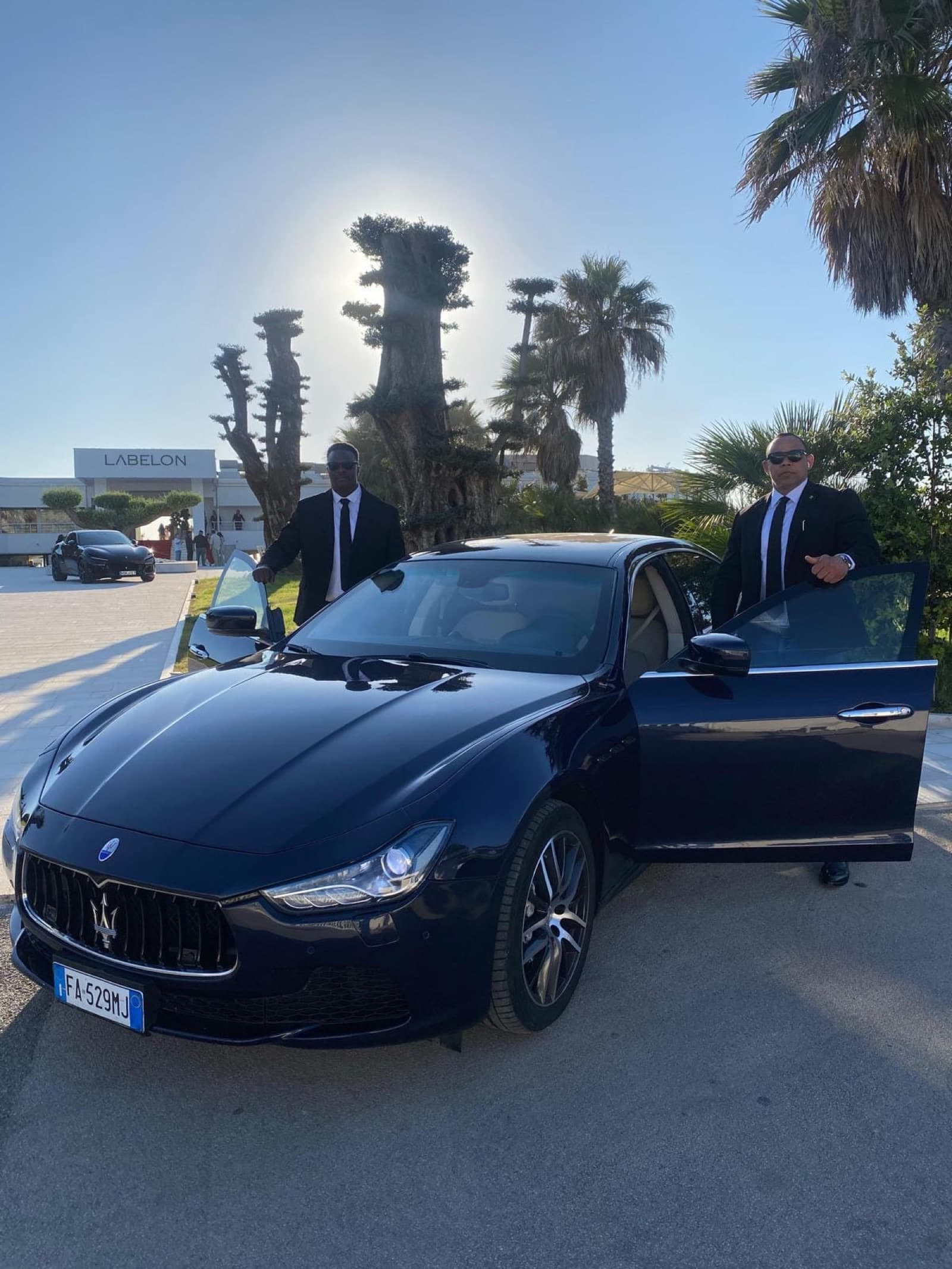
Supercar fleets present a different security profile from watch collections: they are inherently visible (parked on public streets, driven on public roads, stored in garages that can be identified from the street), they are individually tracked through registration databases, and the timing of their movement is often predictable from the principal's broader schedule. Professional supercar theft operations have moved beyond key relay attacks on static vehicles to include digital key cloning, social engineering of storage facility staff, and vehicle-level cyber attacks on the increasingly connected control systems of modern performance cars. FFGR's supercar fleet security advisory covers storage facility assessment, movement security protocol, digital security review of connected vehicle systems, and tracking device installation planning.
Transit security for high-value objects
The highest-risk moment for any high-value movable asset is transit: the movement between secure environments. A watch collection being transferred from a London residence to a Côte d'Azur estate, fine wine moving between a temperature-controlled cellar and an auction house, or bespoke jewellery travelling to a wedding in a different country are all in their most vulnerable state during the transit period. FFGR provides transit security services for high-value movable assets, covering route planning, vehicle selection and preparation, discreet escort where the value justifies it, and chain of custody documentation that supports both insurance requirements and any subsequent legal process if an incident occurs.
Insurance and security as complementary functions
High-value asset insurance and physical security are complementary functions that are often managed as if they were unrelated. The insurance underwriter's survey establishes a baseline of physical security requirements for coverage; FFGR's assessment establishes what the actual threat picture requires. These are not the same thing. Insurance surveys are backward-looking, compliance-oriented exercises that establish what an insured loss should cost; FFGR's security advisory is forward-looking, threat-oriented, and designed to prevent the loss from occurring in the first place. Families who treat insurance as a substitute for security consistently experience losses; families who treat security as the primary function and insurance as the fallback consistently avoid them.
Discuss this with a coordinator
If a specific situation in this article is relevant to a current or upcoming requirement, a senior coordinator will respond within sixty minutes : confidential, no obligation.